Химчистка для автомобилей in 2024: what's changed and what works
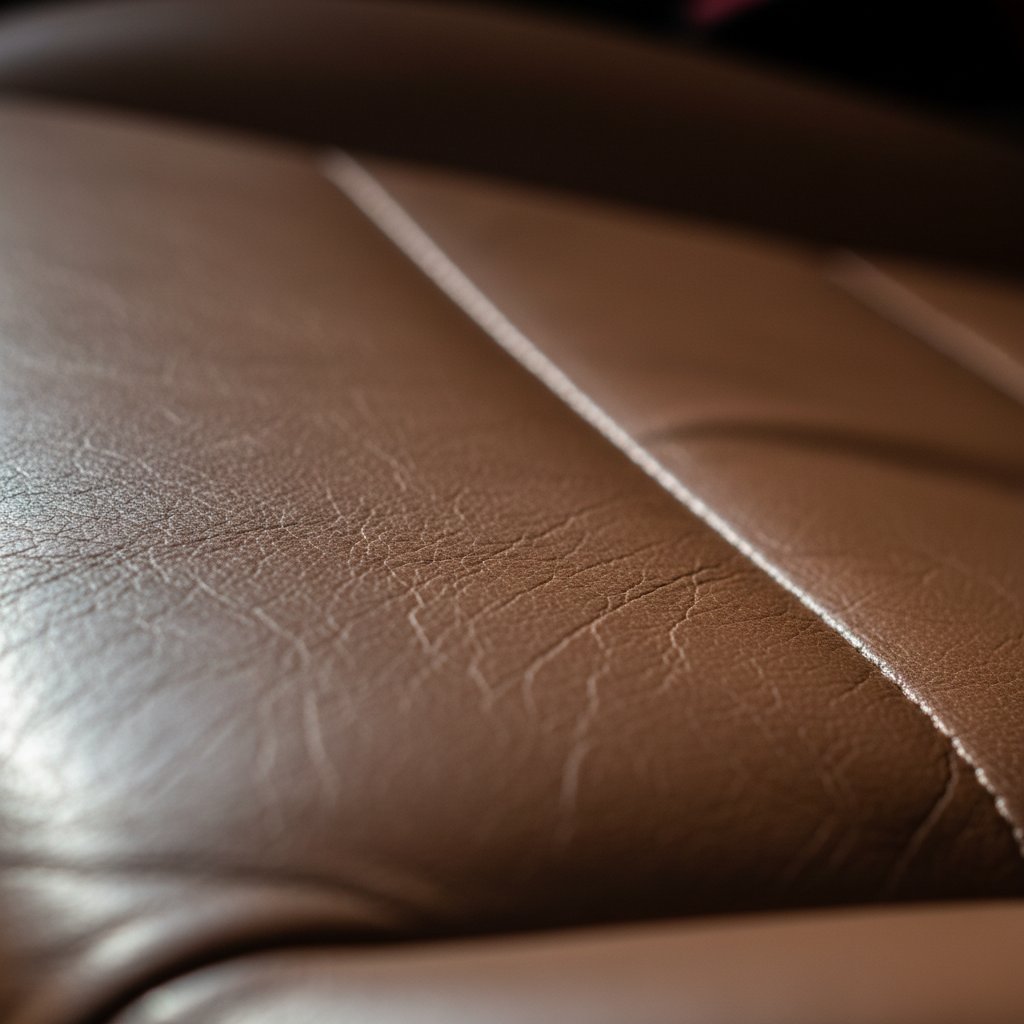
Auto detailing has evolved dramatically over the past year. The old bucket-and-sponge approach? That's ancient history. Steam cleaning machines that once cost as much as a used car are now accessible to mid-sized shops. Eco-friendly solutions have gone from marketing buzzword to actual requirement in many cities. And customers? They're savvier than ever, armed with YouTube tutorials and Reddit threads dissecting every technique.
Here's what actually matters in car interior cleaning right now—the stuff that separates shops still living in 2019 from those dominating their local markets.
1. Steam Cleaning Has Finally Hit Its Stride
Steam technology used to be that expensive option shops mentioned but rarely used. Not anymore. The equipment costs have dropped by roughly 40% since 2022, and the results speak for themselves. We're talking about 170°C vapor that kills 99.9% of bacteria without chemicals—a game-changer for parents with kids who've turned backseats into mobile snack bars.
The real advantage? Speed. A proper steam session can deep-clean fabric seats in about 25 minutes versus the 45-60 minutes traditional shampooing requires. Plus, surfaces dry in under an hour instead of the overnight wait customers dreaded. Shops in humid climates like Florida and coastal areas have seen their turnaround times cut in half, which means more cars per day and happier customers who aren't arranging elaborate car-sharing schemes with neighbors.
2. Ceramic Coating for Interiors Isn't a Gimmick Anymore
Interior ceramic coatings were laughably overpriced two years ago—$300-500 for protection that maybe lasted six months. The formulations have improved significantly. Modern versions actually bond to leather, vinyl, and plastic surfaces, creating a hydrophobic layer that makes future cleanings exponentially easier.
Here's the practical bit: spilled coffee wipes away instead of staining. Dog hair doesn't embed itself into fabric. That mysterious sticky residue from kids' hands? Gone with a microfiber cloth. The cost has normalized to around $150-200 for a full interior treatment, and it genuinely lasts 12-18 months with normal use. Detailers report spending 30% less time on maintenance cleans for coated interiors, which means lower costs for regular customers.
3. Ozone Treatment Has Become the Odor Elimination Standard
Remember when shops would just spray some "new car scent" and call it done? Those days are over. Ozone generators have dropped from $800+ to around $200-300 for commercial-grade units, making them standard equipment rather than specialty tools.
The science is straightforward—ozone molecules literally break down odor-causing compounds at the molecular level. That cigarette smoke smell that used to be permanent? Gone after a 2-hour treatment. The musty smell from water damage? Eliminated. Shops are running ozone treatments as standard add-ons for $50-75, and customers are actually requesting them by name. The only catch: you need to air out the vehicle for 30 minutes afterward, but that's a minor inconvenience for results that actually work.
4. Enzyme-Based Cleaners Have Replaced Harsh Chemicals
The shift toward biological cleaning solutions isn't just environmental theater. Enzymes target specific stains—proteases for blood and food, lipases for grease and oil, amylases for starches. They work slower than chemical blasters (think 10-15 minutes of dwell time instead of immediate action), but they don't damage materials or leave behind residues that attract dirt.
Luxury car owners have driven this change hard. When you're dealing with Nappa leather that costs $200 per square foot to replace, you don't mess around with aggressive cleaners. Enzyme products cost about 20% more than traditional chemicals, but warranty claims and damage complaints have dropped by over 60% for shops that made the switch. Plus, technicians aren't dealing with chemical burns or respiratory issues anymore.
5. UV-C Sanitization Went From COVID Panic to Permanent Fixture
UV-C wands were everywhere in 2020, mostly as pandemic theater. But the technology stuck around because it actually works. Modern setups use 254-nanometer wavelength light that destroys bacteria, viruses, and mold spores in about 15 minutes of exposure time.
Rideshare drivers have become the core market here. When your car is essentially a public space that needs sanitizing multiple times daily, UV-C makes financial sense. The equipment runs $150-400 depending on coverage area, and it requires zero consumables—no sprays, no wipes, no ongoing costs. Detail shops are bundling it with interior cleans for an extra $30-40, and the uptake rate is around 65% according to industry surveys. Parents with allergy-prone kids are the other big demographic driving adoption.
6. Extraction Tools Have Gone Cordless and Powerful
Cordless extractors used to be toys—weak suction, tiny tanks, dead batteries after 10 minutes. The 2024 versions rival corded units. We're seeing 75+ inches of water lift (the measure of suction power) and 45-minute runtimes from lithium batteries that recharge in under an hour.
This matters more than it sounds. Detailers can now work in parking lots, driveways, and locations without electrical access. Mobile detailing services have exploded because the barrier to entry dropped. A quality cordless extraction setup runs $400-600 versus the $1,200-2,000 for traditional equipment plus generator. The results are identical, but the flexibility has opened up entirely new service models—like lunchtime cleanings in office parking lots that have become surprisingly popular with corporate clients.
The car cleaning industry has quietly professionalized itself over the past year. The gap between DIY results and professional work has widened significantly, not because the basics changed, but because the tools and techniques actually deliver on their promises now. For car owners, that means better results at similar or lower prices. For detail shops, it means efficiency gains that translate directly to profit margins without cutting corners. The wild west days of the industry are fading fast, replaced by standardized processes that actually work.